

Strategy


The key priorities for 2026
- Balance sheet deleveraging and reducing costs of debt through asset disposals;
- Cost and efficiency improvements; and
- Reduced capital expenditures, limited to completion of started key projects and essential maintenance.
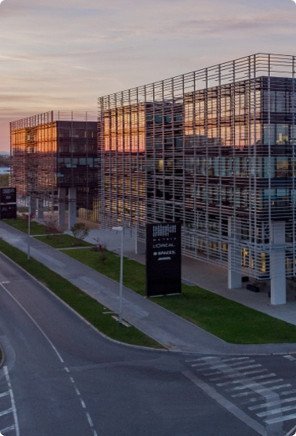
The Group’s core business model is based on GTC ‘score competences, i.e. construction of new real assets to earn developer’s profit and adding value to the standing properties via strong asset management. The key areas that set the direction for GTC:
Portfolio management.
Active liabilities’ management.
Sustainability measures (ESG).
Others:
- Further optimisation of overheads through process improvements, digitalisation and centralisation of selected functions, coupled with outsourcing where specialist competences are missing or more efficiently sourced externally.
- Maintaining a leaner, more efficient organisational structure focused on improving margins, supporting deleveraging and creating capacity for future, selective and high‑quality growth, including a return to a sustainable dividend profile when conditions allow.
The Group’s existing key asset classes include:
Office buildings holding recognised environmental certifications.
Shopping malls holding recognised environmental certifications.
Residential properties for rent located in Germany, mainly in Kaiserslautern, Helmstedt and Heidenheim.
Portfolio management priorities:

Portfolio management priorities:
- Active management of the standing portfolio to improve rental income and occupancy and maintain cost efficiency.
- Repositioning or repurposing older and non‑energy‑efficient assets or those in structurally weaker (especially regional) markets, where this creates value.
- Sale of non‑core assets for deleveraging, unlocking equity for selected developments and value‑accretive opportunities, thereby increasing the return on invested equity.
- Selective disposals of operating commercial properties that are either capex‑intensive or have largely reached their value potential (fully rented with high WAULT), where capital recycling is attractive.
- Value‑add acquisitions only where there is tangible potential through reletting, improvement in occupancy and rental upside, and where the transaction fits within the Group’s deleveraging and return criteria.
- Entering asset classes which offer higher returns and further growth potential only if they meet the Group’s stricter investment and financing criteria.
- Maintaining a measured development pipeline, with priority given to completing projects already started and those supported by pre‑lets or strong market fundamentals.
- Converting ongoing development projects and land reserves into income‑generating properties, with disciplined capex allocation and clear return hurdles.
Active liabilities’ management:

Active liabilities’ management:
- Financing investment needs from senior bank debt and debt capital markets.
- Active management of financing cost through continuous refinancing, extension of maturities and optimisation of the debt structure to increase recurring return on equity.
- Deleveraging is a key medium‑term priority; while temporary increases in LTV associated with cash‑intensive projects may occur, the Group aims to lower leverage over time, supported by selective disposals and disciplined capital allocation
Sustainability measures (ESG):
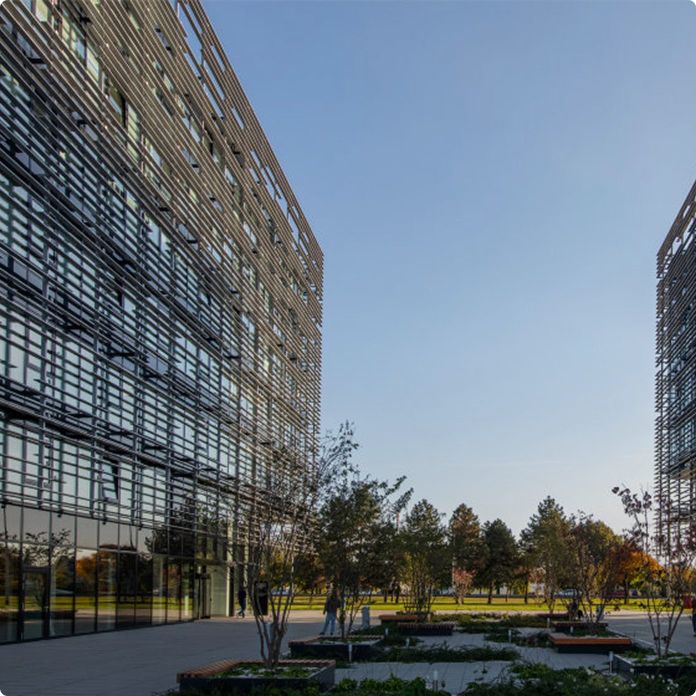
Sustainability measures (ESG):
- Focus on buildings holding recognised environmental certifications, carbon footprint reduction and portfolio certification to mitigate climate change and support long‑term asset competitiveness.
- Prioritising tenant relationships and community impact through responsible investments and high‑quality property management.
- Upholding robust anti‑corruption and anti‑money‑laundering measures and effectively managing regulatory and sustainability‑related risks.
- Actively raising employees’ awareness of ESG aspects and encouraging reporting of ESG‑related issues.
- Strict adherence to sanctions policies in relation to countries, entities and individuals.
- Supporting initiatives in the ESG area and memberships in organisations that promote sustainable real estate and responsible investment practice
Our ESG Policy is based on three pillars and eight focus areas:
Environment: concert for the Environment
We deliver and manage buildings with recognised environmental certifications. Our properties incorporate features related to energy and resource management, and we implement selected practices that support material reuse and waste management principles.
FOCUS AREAS OF THIS PILLAR:
- E1. Buildings holding recognised environmental certifications
- E2. Climate change mitigation
Social: empowerment, respect and diversity
We deliver office and retail space where our tenants can grow. We care about the employees who are our biggest asset. We are a good neighbour, investing in local communities.
FOCUS AREAS OF THIS PILLAR:
- S1. Tenants
- S2. People
- S3. Communities
Governance: best governance practices
We act ethically and ensure compliance within all our operations. We implement processes minimising ESG-related risks. We lead open and honest communication with all our stakeholders.
FOCUS AREAS OF THIS PILLAR:
- G1. Compliance
- G2. Risk management
- G3. Transparency